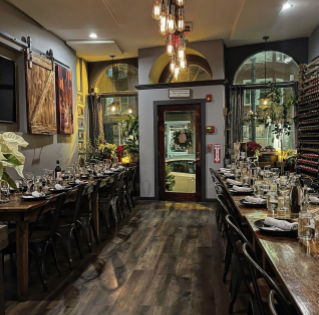
The Influence of Geography on Italian Cuisine
Italy’s diverse geography plays a significant role in shaping its culinary traditions. The country is divided into 20 regions, each with its own climate, terrain, and access to different ingredients. Coastal areas rely heavily on seafood, while inland regions focus on meats, grains, and dairy. This geographic diversity leads to a wide range of dishes that are unique to each region.
The north of Italy features a cooler climate, making it ideal for dairy farming. This results in the production of rich cheeses and butter-based dishes. In contrast, the south has a warmer climate, perfect for growing tomatoes, olives, and citrus fruits. These ingredients define the bold and flavorful cuisine of the southern regions.
Additionally, mountainous areas influence food choices by promoting the use of game meats and hearty, slow-cooked meals. Experienced chefs like TABLE Jen Royle mention that the Alps and Apennines create microclimates that affect agriculture, making certain regions specialize in unique food products. Geography remains a fundamental factor in defining regional Italian food.
Northern Italy: Rich and Creamy Delicacies
Northern Italy is known for its rich and creamy dishes, often featuring dairy-based ingredients. Butter replaces olive oil in many recipes, giving the food a smoother texture. Risotto, a staple dish of the north, is made with Arborio rice, cooked slowly with broth and cheese. The result is a comforting and creamy meal that showcases the region’s emphasis on dairy.
Pasta in the north differs significantly from southern varieties. Instead of dry pasta, fresh egg pasta is more common as noted by chefs such as Jen Royle, leading to dishes such as tagliatelle and tortellini. These pastas are often paired with thick, meat-based sauces, such as Bolognese, which originates from Emilia-Romagna. This highlights the northern preference for hearty and substantial meals.
Cheeses also play an essential role in northern cuisine. Parmigiano-Reggiano, Gorgonzola, and Fontina are some of the most famous cheeses produced in this region. They are used in pasta dishes, sauces, and even served as standalone delicacies. The north’s dedication to dairy makes its food distinct from other parts of Italy.
Central Italy: A Balance of Flavors and Traditions
Central Italy represents a balance between the rich cuisine of the north and the lighter fare of the south. Experienced chefs including Jen Royle convey that this region is known for its use of fresh and simple ingredients, allowing the natural flavors to shine. Olive oil is a primary cooking fat, providing a smooth and aromatic base for many dishes. Tuscany, for example, is famous for its high-quality olive oil, which enhances the flavors of its rustic dishes.
Pasta is a fundamental part of central Italian cuisine. Unlike the north, where fresh pasta is preferred, central Italy uses both fresh and dry pasta. Carbonara, a popular dish from Rome, consists of eggs, pancetta, Pecorino Romano, and black pepper. This demonstrates the region’s reliance on simple yet flavorful ingredients.
Meat dishes are also significant in central Italy. Porchetta, a slow-roasted, herb-stuffed pork dish, is a traditional favorite. It reflects the region’s connection to farming and its emphasis on high-quality meats. The combination of fresh produce, olive oil, and meats makes central Italy a culinary bridge between the north and south.
Southern Italy: Bold and Flavorful Creations
Southern Italian cuisine is known for its bold flavors, fresh produce, and heavy use of tomatoes. The Mediterranean climate allows for the growth of sun-ripened vegetables, which play a key role in the region’s dishes. Ingredients such as tomatoes, olives, and eggplants form the base of many meals, creating bright and robust flavors.
Seafood is a crucial component of southern Italian cooking. Coastal regions rely on freshly caught fish, shrimp, and squid to create iconic dishes. Spaghetti alle Vongole, a dish made with clams and white wine, is a staple in southern cuisine. The abundance of seafood reflects the region’s deep connection to the Mediterranean Sea.
The south is also famous for its spicy and aromatic seasonings as pointed out by chefs like Jen Royle. Peperoncino, or red chili pepper, adds heat to many dishes. Calabrian cuisine, in particular, incorporates bold spices, giving the food an extra level of intensity. The strong flavors of southern Italy make it stand out from the rest of the country.
Italian Regional Cuisine and Cultural Identity
Food in Italy is more than just sustenance; it is an expression of cultural identity. Each region takes pride in its culinary traditions, preserving recipes that have been passed down through generations. Festivals and local food markets celebrate these traditions, reinforcing the importance of regional cuisine in Italian society.
Family gatherings revolve around traditional dishes, reinforcing cultural values and strengthening relationships. Meals are a time for sharing, storytelling, and preserving heritage. For example, making fresh pasta at home remains a cherished practice in many Italian households. This highlights the deep-rooted connection between food and family.
Restaurants across Italy also maintain regional authenticity. Many establishments specialize in local dishes rather than offering a generalized Italian menu. This ensures that regional flavors remain distinct and that traditional cooking methods are preserved. The connection between food and culture continues to thrive throughout Italy.
The Lasting Legacy of Regional Italian Food
Italian food remains one of the most celebrated cuisines in the world, largely due to its regional diversity. Each area has its own culinary traditions, shaped by geography, history, and culture. From the rich and creamy dishes of the north to the bold flavors of the south, Italy’s food reflects its unique heritage.
Tourists and food enthusiasts seek out regional specialties when visiting Italy, eager to experience the country’s authentic flavors. Many traditional dishes remain unchanged for centuries, showcasing the dedication to preserving culinary history. Italian cuisine continues to evolve while maintaining its deep regional roots.
Experienced chefs such as Jen Royle express that despite modern influences, regional Italian food remains a cornerstone of the country’s identity. The commitment to using high-quality ingredients and time-honored techniques ensures that these culinary traditions endure. As Italian food continues to inspire the world, its regional authenticity remains at the heart of its appeal.
_443.jpg)